How to Use a Personal Loan for Home Improvements in Phoenix
KM
Katy McWhirter
Finance & Loans Editor · Updated August 2026

Katy McWhirter
Finance & Loans Editor · Updated August 2026
Imagine it is mid-July in Scottsdale, and your air conditioning unit decides to take an unscheduled vacation just as the temperature hits 110 degrees. Or perhaps you are looking at that outdated kitchen in Tempe and realizing that if you want to host another summer BBQ, a renovation is no longer optional—it is essential. For many homeowners in the Valley, the gap between a dream remodel and a functional reality is often bridged by financing. In 2026, personal loans have become a highly efficient way for Arizona residents to access liquid capital without the lengthy appraisal processes required by traditional home equity products.
When considering how to fund your next project, it is important to understand the landscape of modern lending. Typically, homeowners look for amounts ranging from $5,000 to $50,000 depending on the scope of work. In 2026, you might find APRs ranging from 6% to as high as 36%, heavily dependent on your credit profile and the lender's specific criteria. Unlike a construction loan that is tied strictly to the property value, a personal loan provides a lump sum of cash that can be deployed quickly—often within 7 to 14 days—allowing you to move forward with contractors before they book their next client.
This article is designed to help you navigate the complexities of using unsecured debt for your home. We will walk through calculating the real cost of borrowing, comparing different financing strategies, and avoiding the common pitfalls that can lead to unexpected financial strain. Whether you are looking to upgrade your solar shade structures or overhaul a master bathroom, understanding these mechanics is the first step toward a successful renovation.
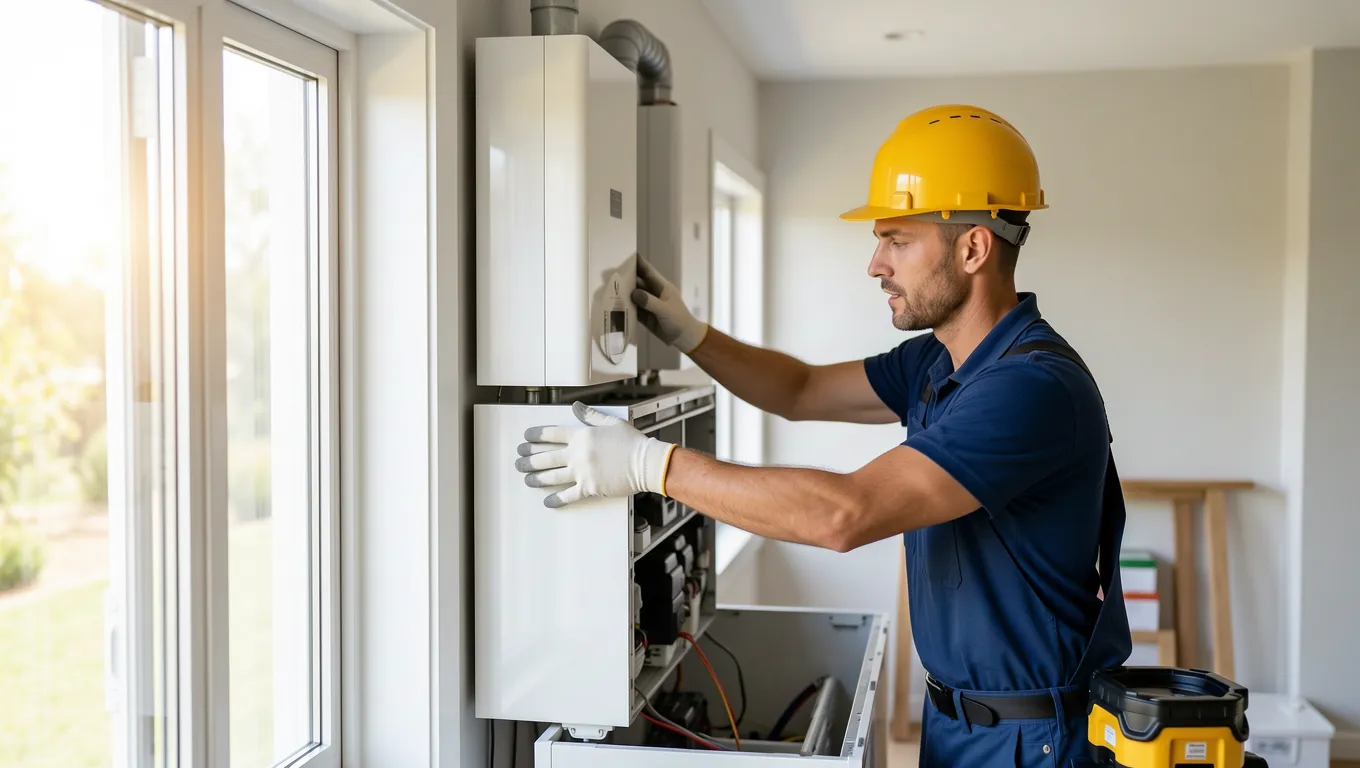
In the unique climate of Phoenix and its surrounding suburbs, not all renovations are created equal when it comes to return on investment (ROI). If you are using a personal loan, your goal should be to target projects that either increase property value or significantly reduce monthly utility costs. For instance, in 2026, energy efficiency remains a top priority for Arizona buyers. Investing in high-efficiency HVAC systems or updated insulation can provide immediate relief to your wallet and long-term value to the home.
Consider these two common scenarios:
Before you sign any paperwork, you must understand how much your monthly payment will impact your lifestyle. Many homeowners make the mistake of looking only at the total loan amount and ignoring the amortization schedule. Let's look at a concrete example of how interest can change the math for an Arizona homeowner.
Suppose you are planning a patio renovation in Mesa and need $25,000 to build a custom outdoor kitchen and fire pit area. If you secure a loan with a 10% APR over a 60-month term, your monthly payment would be approximately $530. Over the life of that loan, you will pay back roughly $31,800. That means the cost of borrowing is $6,800.
Compare this to a shorter-term approach. If you were able to secure that same $25,000 at 9% APR but committed to paying it off in just 36 months, your monthly payment would jump to about $790, but your total interest paid would drop to roughly $4,800. You save $2,000 by choosing the shorter term, though it requires more breathing room in your monthly budget. Understanding this trade-off is essential for maintaining a healthy debt-to-income ratio, which lenders will scrutinize closely when you apply.
When navigating the various loan offers available in 2026, you will encounter a tug-of-war between 'affordability' and 'total cost.' This is one of the most nuanced areas of personal finance. A lender might offer you a very low monthly payment by extending your term to 84 months. While this looks great on a spreadsheet today, it can become a financial burden if your income fluctuates or if you encounter other unexpected expenses.
Here is a simple decision framework for choosing your terms:
Once you have secured your funds, the real work begins. In Phoenix and surrounding municipalities like Scottsdale or Glendale, home improvements often require city permits, especially for structural, electrical, or plumbing changes. A common mistake is assuming that a personal loan covers everything. You must account for permit fees and inspection costs in your initial budget.
One of the biggest advantages of using a personal loan over a construction loan is how you receive the money. With most personal loans, the funds are deposited directly into your bank account as a lump sum. This gives you total control. You do not have to wait for a bank inspector to verify that 'Phase 1' is complete before they release the next chunk of cash. However, this speed comes with responsibility.
Managing multiple contractor payments requires organization. It is often wise to set up a separate checking account specifically for your renovation project. This ensures that your personal grocery and mortgage money stays separate from your tile and lumber funds. When paying contractors, always ensure you have a written contract that outlines the scope of work, the timeline, and the payment schedule. Avoid paying the entire loan amount upfront; instead, use the flexibility of your loan to pay in milestones as the work is completed.
If you have ever spoken to a contractor in Arizona, you know that 'estimates' are often just starting points. There is a phenomenon known as 'scope creep,' where small changes or unforeseen issues cause the project cost to balloon. This is particularly common when dealing with older homes in neighborhoods like North Central Phoenix or parts of Tempe. Once a crew pulls up old flooring, they might find uneven subfloors or outdated wiring that must be addressed before the new materials can be installed.
To avoid this, follow these expert-level tips:
As you weigh your options, you will likely compare a personal loan against a Home Equity Line of Credit (HELOC). Both can fund home improvements, but they serve very different purposes and carry different risks.
A HELOC is secured by your home's equity. Because it is backed by collateral, the interest rates are typically much lower than those of an unsecured personal loan. However, a HELOC requires a home appraisal, which adds time and cost to the process. More importantly, if you fail to make payments on a HELOC, you risk losing your home. A personal loan, while more expensive in terms of APR, does not put your property at direct risk in the same way.
Here is how the two stack up for common Phoenix scenarios: