How to Use a Personal Loan to Cover Unexpected Car Repairs in Phoenix
KM
Katy McWhirter
Finance & Loans Editor · Updated September 2026

Katy McWhirter
Finance & Loans Editor · Updated September 2026
Imagine it is a blistering Tuesday afternoon in July, and you are stuck on the shoulder of the I-17. The heat is radiating off the asphalt, your AC has just failed, and the mechanic's estimate for a new compressor and condenser is sitting at $3,200. For many Phoenix residents, an unexpected automotive crisis like this can feel like a financial catastrophe. When your vehicle is essential for commuting to work or transporting family in the Valley of the Sun, you simply cannot afford to have it sit in a repair shop for weeks waiting for funds to accumulate.
In 2026, managing liquidity has become a top priority for households across Arizona. Many people mistakenly believe that they must wait until they have saved every cent before addressing major repairs, but this often leads to even higher costs if the vehicle's condition worsens. This article will help you navigate the decision-making process of using a personal loan to bridge the gap between a sudden repair bill and your next paycheck. We will explore how these loans function, compare them against other options like credit cards, and provide a roadmap for securing funds quickly.
As we look at the current landscape in 2026, it is important to note that personal loan terms can vary significantly. Typically, borrowers might see APRs ranging from 8% to 36% depending on their credit profile and the lender's specific criteria. While a loan provides immediate access to cash—often within 1-3 business days—it is vital to remember that you are borrowing money that must be repaid with interest. This guide is designed to provide you with the expert context needed to decide if this is the right financial tool for your specific automotive emergency.
In Phoenix, a car is rarely just a convenience; it is often a lifeline. Between the sprawling suburbs of Scottsdale and the busy corridors of Mesa, your vehicle is what connects you to your livelihood. When the extreme Arizona heat causes components like batteries, tires, or cooling systems to fail prematurely, the financial impact is felt immediately. We have seen that in 2026, the average cost for a major engine diagnostic and subsequent repair can easily exceed $2,500, making it difficult to cover out-of-pocket without depleting your emergency savings.
Using a personal loan allows you to treat a sudden mechanical failure as a manageable monthly expense rather than a single, crushing blow to your bank account. Instead of draining your entire savings—which might be needed for housing or groceries—a loan can spread that cost over several months. This approach helps maintain your financial stability while ensuring your vehicle is back on the road before it causes further damage to other components.
However, you must weigh the necessity of the repair against the cost of the debt. Before you commit to a loan, consider these factors:
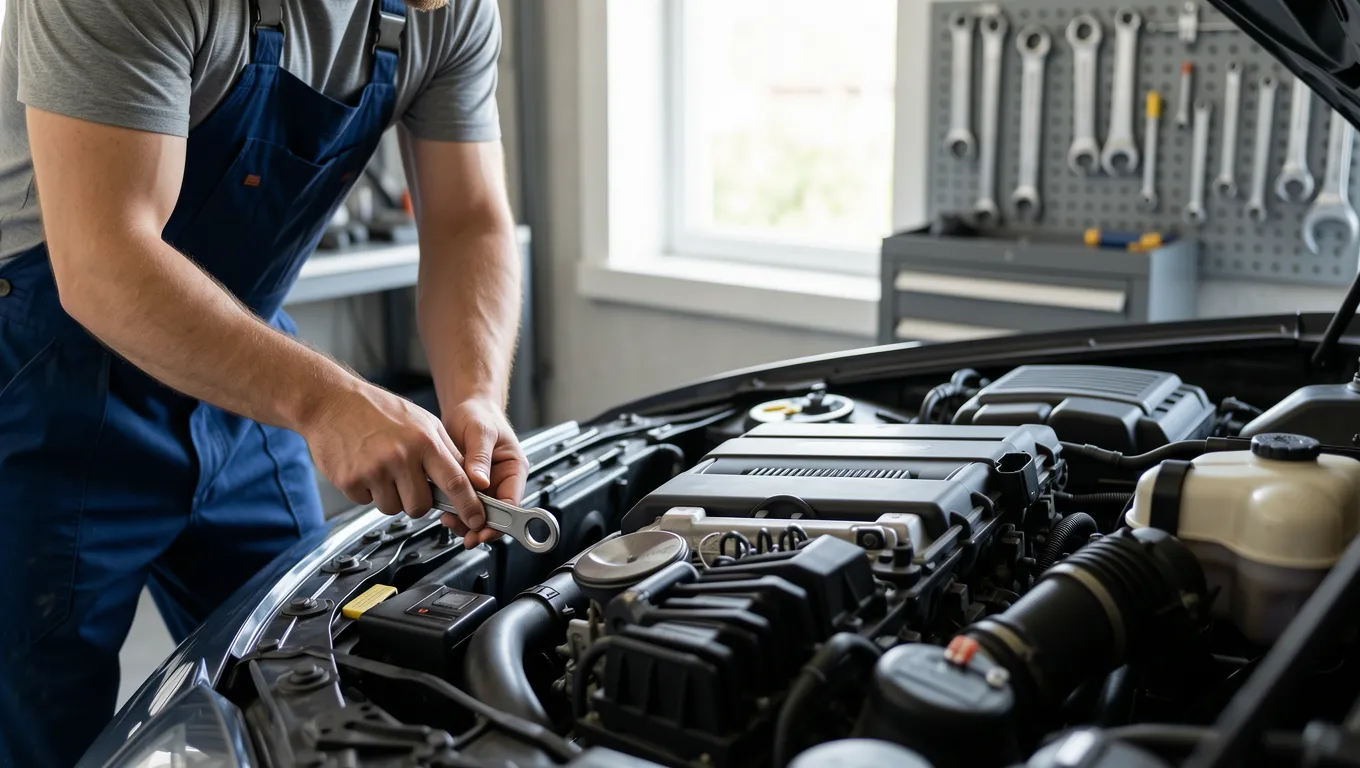
When the mechanic hands you that bill, your first instinct might be to reach for a credit card. In 2026, many consumers still default to this method because it feels immediate and requires no formal application process at the shop. However, there is a significant difference in how these two methods impact your long-term finances. Credit cards typically feature variable interest rates that can climb quite high during periods of economic volatility, making them an expensive way to finance large, one-time purchases.
A personal loan offers several distinct advantages over using a credit card for car repairs:
The trade-off is that a personal loan requires an application and a formal approval process, whereas a credit card is instant. If you are in a situation where the car must be fixed today to get to work tomorrow, the speed of a credit card might seem tempting. However, if you have 24 to 48 hours, securing a structured loan could save you hundreds, or even thousands, in interest over the life of the debt.
To truly understand if a personal loan fits your budget, you need to see how different amounts and interest rates translate into real monthly costs. Let's look at three common scenarios for Phoenix drivers in 2026. These examples assume the borrower has secured a fixed-rate personal loan with no origination fees for simplicity.
Scenario A: The Routine Maintenance Emergency
You need new tires, brakes, and a battery—a total of $1,800. If you take out a loan at 14% APR over 24 months, your monthly payment would be approximately $87. This is often very manageable for most working professionals.
Scenario B: The Cooling System Crisis
Your AC compressor has failed in the middle of August, costing $4,500 to fix properly. If you secure a loan at 12% APR over 36 months, your monthly payment would be roughly $148. This allows you to keep your cool without losing your financial footing.
Scenario C: The Major Engine Overhaul
A catastrophic transmission failure requires $7,500 for parts and labor. At a 10% APR over 48 months, your monthly payment would be about $190. While this is a larger commitment, it spreads the heavy burden of a major engine repair over four years.
When comparing these to a credit card where you might only pay the minimum, the difference in total interest paid can be staggering. Always use a loan calculator to verify your specific terms before signing any agreement.
Navigating the process of getting funds for an urgent repair can feel overwhelming when you are already stressed about your vehicle. To make this as smooth as possible, follow this decision framework designed to ensure you get the best terms available in 2026:
When you are desperate, it is easy to fall prey to predatory lending practices. In Arizona, as in much of the country, there are lenders that specialize in 'quick cash' with extremely high interest rates or hidden fees. These can often feel like a lifeline in the moment, but they can quickly become an inescapable cycle of debt. Always be wary of any lender that promises guaranteed approval regardless of your credit or fails to clearly disclose the total cost of borrowing up front.
Another common mistake is 'over-borrowing.' It might seem smart to take out a $5,000 loan for a $3,000 repair just in case other things go wrong, but you are essentially paying interest on money you do not need. This extra debt adds unnecessary pressure to your monthly budget. If you find that the mechanic's estimate is higher than expected, it is often better to request a second quote or discuss a payment plan directly with the shop rather than taking out an oversized loan.
Finally, remember that your credit score can be impacted by hard inquiries during the application process. While one inquiry for a personal loan is generally manageable, making multiple applications across several lenders in a very short window can signal to other creditors that you are in financial distress. It is better to use a pre-qualification tool if available, which may allow you to see estimated rates without affecting your score.
A nuance that many financial journalists miss is the concept of 'opportunity cost' regarding your vehicle. Some people argue it is better to wait and save up, but in a city like Phoenix, where car ownership is often non-negotiable for employment, waiting might actually cost you more than the interest on a loan. If a $1,500 repair prevents you from getting to work and results in lost wages or job instability, then the 'cost' of not fixing the car far exceeds the $25 per month in interest you might pay on a small personal loan.
In 2026, we are seeing more people use strategic borrowing as a tool for maintaining productivity. If you have a stable job and a predictable income, using a low-interest personal loan to keep your primary mode of transport running is often a sound economic decision. It preserves your cash flow for other essential needs while ensuring your ability to generate income remains intact.
Ultimately, the goal is to ensure that an automotive mishap does not become a life-altering financial event. By using structured loans and avoiding high-interest traps, you can navigate these unexpected bumps in the road with confidence. For more tips on managing your finances in Arizona, feel free to visit Arizona Zip Loan.